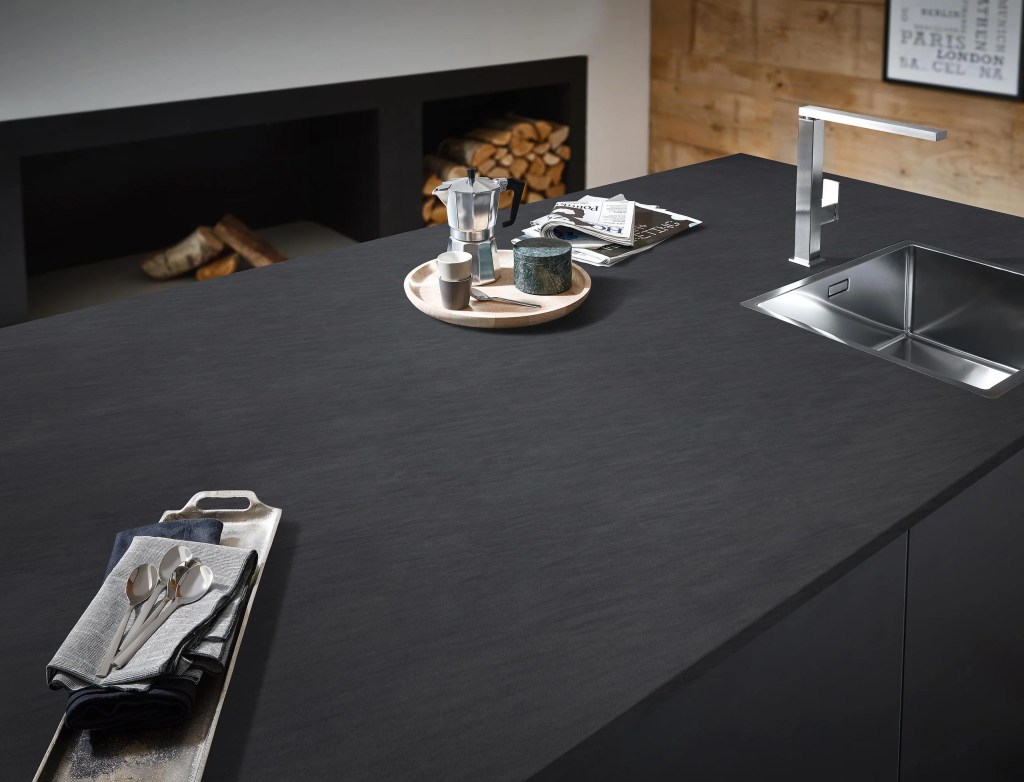
The kitchen is the most important room in the house. A hub where family members gather to cook, relax and bond together, the kitchen is a room for making memories. As such, any family kitchen should be designed with both practicality and comfort in mind. A dysfunctional, poorly designed kitchen only creates chaos, making the morning family routine a nightmare. If you’re in the midst of designing or redesigning your kitchen, the following tips are worth considering to ensure the best possible results.
Make A Mood Board
Creating a mood board is an excellent way to visualise your project and refine your goals before spending money and making important decisions. Many expert interior designers use mood boards to collect thoughts and ideas regarding style choices, colour schemes and overall atmosphere. You could create a physical mood board using a cork notice board onto which you can pin magazine cuttings, photographs, paint swatches and notes. Alternatively, you may prefer to use an online resource like Pinterest, favoured for its simplicity and endless collection of interior design inspiration images.
Traffic Flow
Designing a practical kitchen means considering the ease with which family members and guests can move around the space. Kitchens can be busy environments, often with multiple household members busying themselves with cooking, eating, cleaning and socialising; hence, traffic flow around essential areas such as the cooker, fridge, dishwasher and washing machine is worth considering. Opt for wide walkways and keep entry points accessible and free from obstructions. This may be a challenging task if you’re designing a galley kitchen, so place your appliances and storage strategically to avoid overcrowding.
Consider Colour
There is a lot to be said for colour when designing a living space. Whether or not you’re familiar with colour theory, there are tricks and tips worth considering when selecting your kitchen colour scheme. Colour defines the ambience of a space by evoking different emotions. For example, blue hues evoke feelings of calmness and relaxation. While crowd-pleasing neutrals are considered fail-safe options for kitchens, adding pops of colour can really brighten a space up. Consider warming, energising burnt orange or fresh, versatile forest green.
Lighting
Lighting is one of the most essential elements in terms of ambience. Although a kitchen should be well-lit to promote safety when preparing food, harsh, overhead, fluorescent lighting can make a space feel profoundly clinical. Furthermore, overly-bright lighting can cause headaches and eye strain. Conversely, you can create a comfortable, welcoming ambience with multiple lighting fixtures to create soft, overlapping pools of light. For a touch of extra illumination when cooking and cleaning, you could install kitchen worktop lighting.
Work Surfaces
The material of your work surfaces should not only align with your kitchen’s aesthetic, but it should also be durable, stain-resistant and easy to clean. For a modern country kitchen aesthetic, butcher’s block worktops, made from hardwood varieties like walnut and maple, are hard-wearing and easy to maintain. Similarly, granite countertops are equally robust and should last around 15 years when treated with care and respect – i.e. kept clean and sealed every 6-12 months. Furthermore, natural stone interior design choices are timeless and harmonise with almost any colour palette.
Kitchen Islands
Kitchen islands have multiple functions – they provide extra countertop space for eating and food preparation whilst breaking up large, cavernous spaces. You could use your kitchen island to conceal appliances such as a dishwasher or washing machine, as well as extra storage. You could even install practical high-tech extras such as pop-up plug socket towers or built-in speakers – perfect for large, busy families. If you plan on using your island as a breakfast bar, carefully select your chairs or stools with comfort and durability in mind.
Storage
Multiple storage solutions are vital for practicality. Not having enough storage space can quickly result in excess clutter, particularly for busy families. Ensure you design your kitchen with plenty of room to store ingredients, cookware, recipe books and more. While open storage can look quirky and inviting, it may prove overwhelming in smaller spaces. In contrast, open shelving adds interest and charm to large, airy environments. You could even utilise vertical space by installing ceiling-mounted racks for your pots and pans and pull-out storage for herbs and spices.
 InteriorChat